

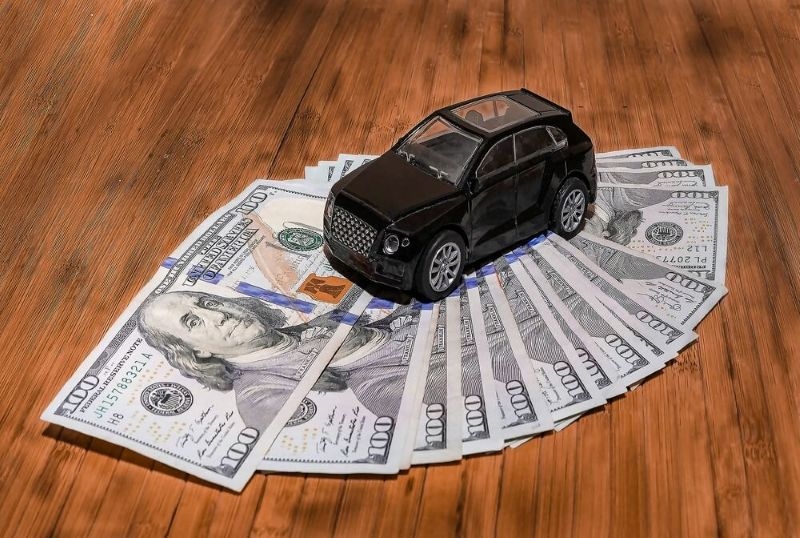
Owning a vehicle often feels like a constant drain on the wallet, but achieving significant savings on cars is possible with the right approach. By focusing on small changes, drivers can reduce their daily costs without sacrificing reliability. This car expenses guide provides a roadmap for anyone looking to keep more cash in their pocket. Implementing simple fuel-saving tips ensures that every trip to the pump is less painful. Most people overpay for transport because they ignore the small details that add up over the course of a year.
Maximizing car savings starts with how a person handles the steering wheel and pedals. Aggressive driving is one of the biggest reasons people waste money every day.
What this really means is that a calmer driving style keeps more money in your bank account. Reducing speed by just five miles per hour on the highway can significantly improve your miles per gallon.
Finding ways to use less gasoline is a major way to save money while commuting. Many people do not realize that the weight of their car affects how much energy it takes to move.
Small adjustments to the vehicle's aerodynamics and weight make a noticeable difference. It is much easier to save at the pump when the car is not fighting extra wind resistance or flat tires.
Thinking about reducing maintenance expenses will help prevent small problems from escalating into major ones, making a huge dent in your budget. An oil change may seem costly, but it helps protect the very core of your machine.
Let us put it into context: a small expenditure today will save you a lot of money later. Spending a little bit of money on a filter today prevents spending thousands of dollars on an engine replacement next year.
A detailed car expenses guide helps owners track where every dollar goes, from insurance premiums to parking fees. Being aware of these numbers is the first step toward reducing them.
Understanding the total cost of ownership allows for better financial planning. Most drivers are surprised to see how much they actually spend when they add up the hidden fees.
Using auto budget tips ensures that the family car remains a tool for freedom rather than a source of stress. Setting aside a small amount each month for future tire or battery replacements is a smart move.
Creating a dedicated fund for vehicle needs removes the panic of an unexpected breakdown. It allows for a more relaxed approach to car ownership and long-term financial health.
The best way to save money is to be a smart consumer at the mechanic's shop. Getting a second opinion on big repairs can often save hundreds of dollars.
Knowledge is power when it comes to the garage. Knowing what a part should cost helps prevent being overcharged for labor or unnecessary add-on services.
True car savings come from treating the vehicle with respect over its entire lifespan. A clean car usually lasts longer because dirt and salt cannot cause rust.
Taking pride in the vehicle's appearance also helps maintain its resale value. When it comes time to sell, a well-kept car brings in much more money.
Urban driving is tough on a gas tank, so using specific fuel-saving tips for stop-and-go traffic is essential. Avoiding the "jackrabbit" start at green lights is a great beginning.
By grouping trips together, the engine stays at an optimal temperature. This efficiency reduces the amount of fuel burned during those first few minutes of driving.
Modern tools can help reduce maintenance costs by alerting drivers to problems before they cause a breakdown. A simple diagnostic plug can tell you exactly why a light is on.
These technologies provide clarity and help you speak the same language as your mechanic. You can often fix small sensor issues yourself with a little bit of online research.
Every car expenses guide should emphasize the importance of shopping around for insurance. Rates change frequently based on age, location, and even credit scores.
Adjusting your coverage to match the actual value of an older car can significantly reduce your monthly bill. Always check for new discounts at least once every year.
Applying auto budget tips during the buying process saves the most money over time. Choosing a model known for reliability and low parts costs is a winning strategy.
Buying a car that is two or three years old allows someone else to pay for the initial drop in value. This single action alone could save the driver tens of thousands of dollars.
Saving money on tires is not all about getting a deal. Aligning and rotating your tires will help ensure the tread wears evenly over many years.
While high-end tires may be a bit more expensive, they will save you money thanks to their superior fuel efficiency and durability.
Achieving a better financial status through car-related decisions requires consistency. With the help of the above suggestions, you will be able to travel down the road without spending too much money. Take care of your vehicle and drive sensibly to build up your savings. High expenses don't need to go hand in hand with driving a car.
Your tires' air pressure must be checked monthly, and even prior to making a long journey. Your car will require more energy in case there is low air pressure in the tires. This is because of the increased rolling resistance that comes with under-inflation.
For the most common vehicles, there is no need to spend extra money on premium fuel, since it won't offer any advantages over other types of fuel. Unless your car's owner's manual states that your engine requires expensive gas, it will be sufficient to use regular gas.
Absolutely! A dirty air filter reduces the volume of oxygen flowing through your engine, thereby affecting its performance. It is recommended that you change the filter to enhance engine performance. This simple task is inexpensive and can be done at home to prevent larger engine problems.
At lower city speeds, opening the windows is generally more efficient than running the air conditioner. However, at high highway speeds, the aerodynamic drag from open windows actually consumes more fuel than the AC unit. It is best to use the vents or windows in town and the AC on highways.
This content was created by AI