

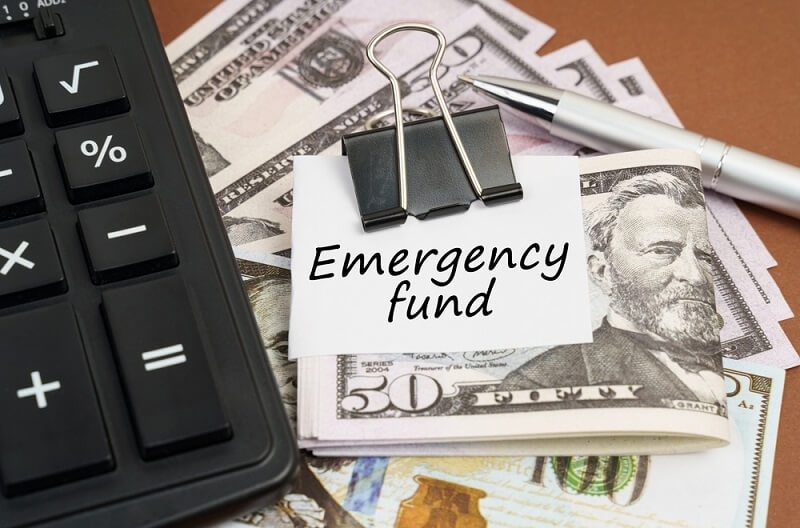
Having a stable Emergency Fund is the most important part of any plan for financial security tips. Most people find themselves stuck when a car breaks down or a medical bill arrives unexpectedly. By building a savings safety net, a person can handle these surprises without falling into debt. Life is full of twists and turns, but having a money reserve makes those moments much easier to manage. Let's look at how to set up an emergency savings plan and use budgeting tips to stay on track.
A cash cushion provides peace of mind when things go wrong. It stops a small problem from becoming a giant disaster. Without a backup, people often use credit cards with high interest rates.
Keeping a set amount of money in a separate bank account ensures that the funds stay untouched until a real need arises. This simple habit changes how a person feels about their bank balance every single day.
Starting small is the best way to succeed. Nobody needs to save thousands of dollars in a single week. Setting a goal for one month of expenses is a great first step for any beginner.
Once the process is automated, the money grows without much effort. The goal is to make saving as easy as paying a monthly utility bill or buying groceries.
Managing where the money goes is the only way to find extra cash. Most people spend more than they think on things they do not really need. A clear plan helps find those hidden dollars.
By looking at a bank statement, it becomes clear where the leaks are. Redirecting that money into a money reserve builds a wall between you and financial trouble very quickly.
There are many ways to find extra money if you look closely at your daily habits. Small changes in how a person shops or eats can lead to big results over time.
Every dollar saved from a grocery bill can go directly into the savings safety net. It might not feel like much at first, but these small wins add up to a significant amount by the end of the year.
Consistency is the secret to a healthy bank account. It is better to save a little bit every week than to save a lot once a year and then stop.
When the emergency savings plan becomes a regular part of life, the fear of the unknown disappears. You start to view money as a tool for safety rather than just something to spend.
The journey does not end once the account is full. Maintaining that level of security requires checking in on the plan as life changes, like getting a new job or moving to a new house.
Following these financial security tips ensures that the household remains stable regardless of what happens in the wider economy. High-yield savings accounts are often the best place to keep this specific type of cash.
Knowing when to use the money is just as important as saving it. An emergency is something urgent, necessary, and totally unexpected.
If the situation is not an emergency, the Emergency Fund should stay in the bank. This discipline protects the safety net for savings, so it is ready for a real crisis when that day eventually comes.
As a person moves through different stages of life, the amount of money needed for safety changes. A single person needs less than a family of five with a large mortgage.
Building a large money reserve takes time and patience. However, the feeling of knowing that any bill can be paid is worth every bit of effort put into the process.
A budget is not a restriction; it is a map for your money. It tells your dollars where to go, so you don't have to wonder where they went at the end of the month.
Applying these budgeting tips consistently will prevent the need to dip into the Emergency Fund for non-emergency costs, such as holiday gifts or annual car registrations.
Families have more moving parts, which means they need a more robust plan. Kids, pets, and older homes often come with more frequent and expensive surprises.
A family savings safety net acts as a shield for the people you love. It ensures that the home stays warm and the food stays on the table even during a job transition.
In the world of finance, cash is the ultimate protection. While stocks and bonds are great for growth, they can be hard to sell quickly when you need money in an hour.
The Emergency Fund is the base of the financial pyramid. Once it is firm, you can start looking at other ways to grow wealth and enjoy life more fully.
Building an Emergency Fund is a gift to your future self. By using simple budgeting tips and staying focused on your emergency savings plan, you create a lasting savings safety net. Start small today and watch your money reserve grow into a source of true financial security tips and lasting peace.
It is generally recommended that between three and six months' worth of expenses be set aside in a savings account. This includes money for rent, groceries, and utility payments. If employment is insecure or only seasonal, having nine months of expense coverage is much safer for the family.
The best place is almost certainly a high-yield savings account. In doing so, it will remain separate from regularly used cash while retaining its accessibility. In addition, it is likely to accrue a little more interest than a regular savings account.
This cash is strictly for unplanned, urgent events. Examples include a sudden job loss, a broken water heater, or a medical emergency. Using the funds for a vacation or a new television is not recommended, as it leaves the person vulnerable.
It is not wise to put this money in the stock market. Stocks can lose value quickly, and you might be forced to sell at a loss during a crisis. Keep these specific funds in a safe, federally insured bank account where the balance will not drop.
This content was created by AI