

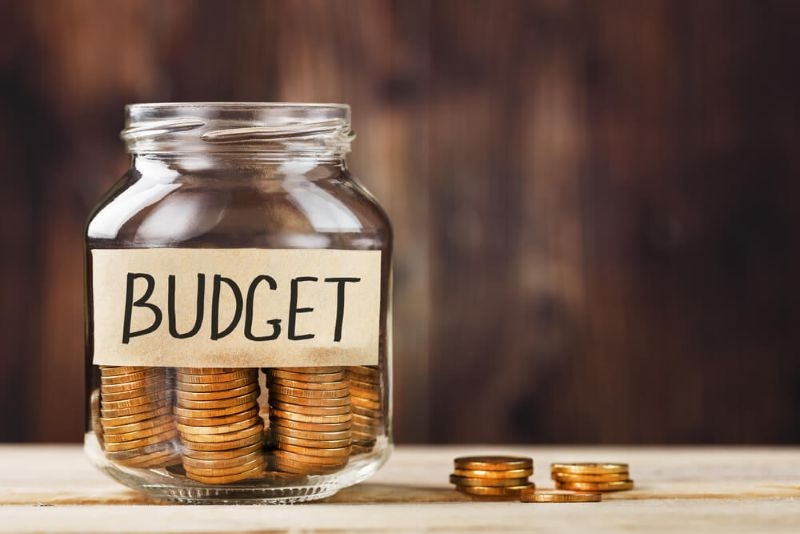
Managing money can feel hard sometimes, but budget planning makes things much simpler for everyone. When a family sits down to look at their cash, they often find ways to keep more of it. Using smart monthly budget tips helps people see where every single dollar goes each day. Starting with good expense tracking means you won't wonder why your wallet is empty at the end of the week. It's about making a plan that actually works for your life right now.
Having a plan for your money is like having a map for a long trip. Without it, you might get lost or run out of gas before you get home. Budget planning gives every dollar a job to do. Some dollars pay for food, while other dollars go into a piggy bank for later. Most people feel less stressed when they know their bills are covered.
Before you spend, you should think about what you want most. It could be a new bike or a fun trip to the beach. Writing these goals down makes them feel more real. When you have a goal, it is easier to say no to small things you do not really need. This is how you start building a better future for yourself and your family.
Here is the thing about keeping track of money. Small changes make a very big difference over a long time. One of the best monthly budget tips is to pay yourself first. This means putting a little money aside as soon as you get it. If you wait until the end of the month, there might be nothing left to save.
What this really means is that you are the boss of your bank account. You decide whether to spend money on a movie or save it for a rainy day. Following simple monthly budget tips keeps your head clear and your pockets full.
Saving money does not have to be painful or boring. Good saving strategies focus on finding leaks in your spending habits. You spend too much on snacks at the gas station. If you buy those snacks at the grocery store instead, you save a lot of money.
Let's break it down further. You can save on electricity by turning off lights when you leave a room. You can also save on water by taking shorter showers. These saving strategies add up to hundreds of dollars over the course of a year. It is all about being mindful of what you use and what you truly need to be happy.
Staying on track requires some serious financial discipline. This just means sticking to your plan even when you see something shiny you want to buy. It is easy to spend money when you are bored or sad, but that hurts your long-term goals. Having strong financial discipline helps you resist peer pressure.
When you practice financial discipline every day, it becomes a habit. Soon, you won't even think about spending money on things that do not matter. You will feel proud seeing your savings account grow bigger and bigger every month.
You cannot fix what you do not measure. That is why expense tracking is so important for a healthy budget. Every time you buy a piece of gum or a cup of coffee, you should write it down. You might be surprised to see how much those small treats cost you every month.
Expense tracking shows you the truth about your habits. It highlights where you are doing well and where you need to improve. Most people who start tracking their spending find at least fifty dollars they were wasting on things they forgot they even bought.
You do not need a fancy computer to manage your money well. There are many budgeting tools available for different kinds of people. Some folks like using a simple notebook and a pen. Other people prefer using an app on their phone that connects to their bank.
Digital budgeting tools can automatically categorize your spending, saving a lot of time. However, a paper ledger helps you feel the weight of your choices more. The best tool is the one that you will actually use every day. If a tool is too hard to understand, you may quit using it after a week.
Try out a few different budgeting tools to see which one fits your brain. Some people love spreadsheets because they like seeing all the math. Others just want a simple envelope system to put cash aside for different needs. There is no wrong way to do it as long as the math adds up at the end.
Budget planning is not a one-time event you do in January. It is a lifestyle that evolves as you get older and your needs change. Some months will be harder than others because of car repairs or doctor visits. That is okay because your budget is there to help you handle those surprises without panic.
Staying focused on the big picture keeps you motivated. When you see your debt go down and your savings go up, you will realize that all the hard work was worth it. You are building a foundation that will support you for the rest of your life.
Budget planning is the key to a happy financial life. By using expense-tracking and smart saving strategies, anyone can improve their financial situation. Stick to your plan with financial discipline and watch your dreams come true. Start your journey today and grab your free budget template now.
This is a simple way to organize money. You spend 50 percent of your income on needs like rent. Then 30 percent goes to wants like hobbies. The last 20 percent is for savings or debt repayment. It helps keep your spending balanced and easy to track.
An emergency fund is the best tool for this. You should try a small amount every month, specifically for surprises like a broken fridge. Having this cash on hand means you do not have to use a credit card if something unexpected goes wrong.
Yes, you can definitely have fun while saving money. You just have to plan for it by setting aside a specific amount for entertainment. Look for free events in your city or have a game night at home with friends to save even more.
Most budgets fail because they are too strict, or people forget to track small purchases. If you do not account for things like coffee parking, our math will be wrong. Be honest with your spending and leave a little wiggle room for mistakes.
This content was created by AI